Why Clothes Shrink After Washing (And What You Can Actually Do About It)
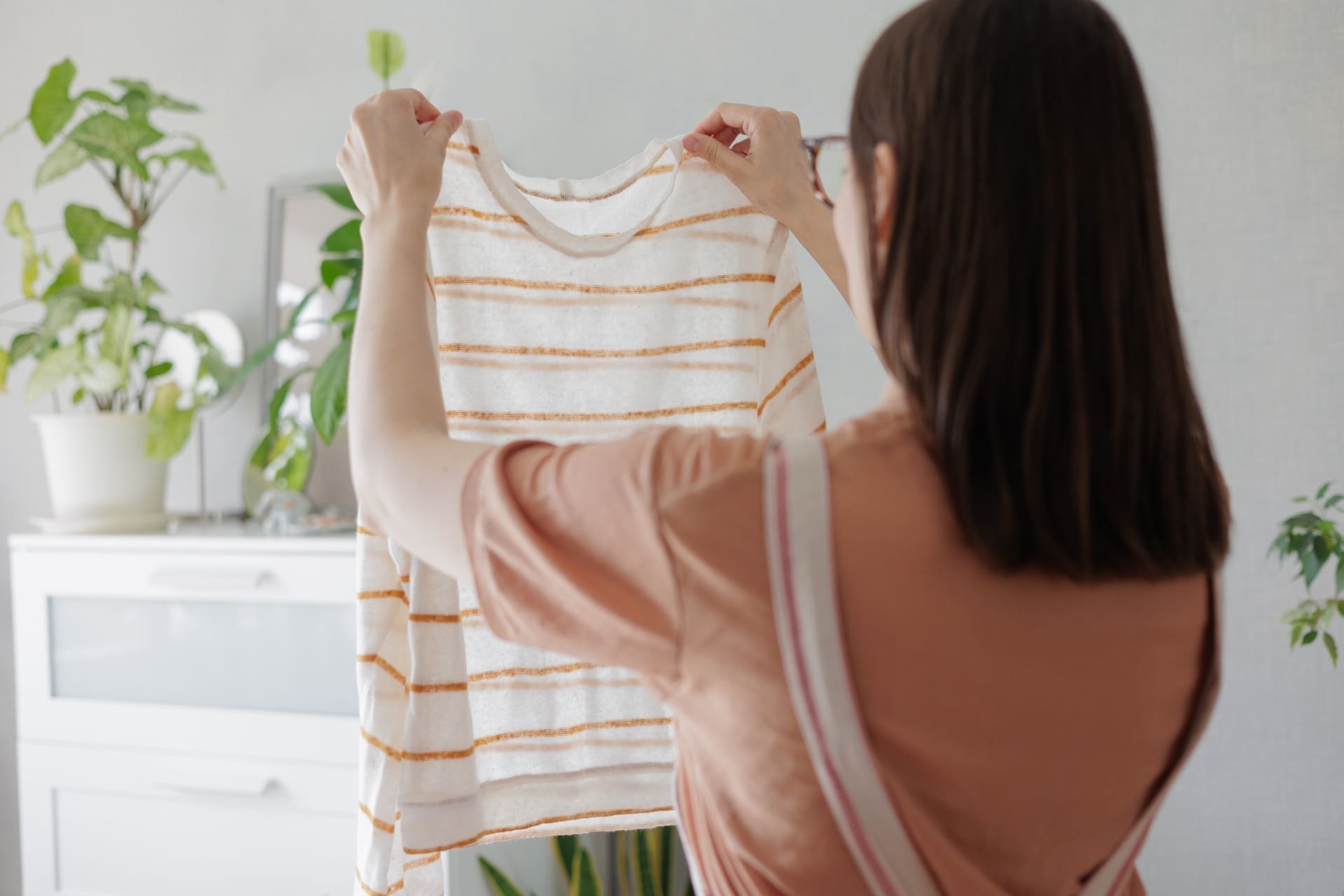
You pull your favorite sweater out of the dryer, and something is immediately off. The sleeves hit two inches higher than they used to. The shoulders sit differently. It still looks like the same sweater, but it doesn't fit like before.
Shrinkage is one of the most frustrating things that can happen to clothes you actually love, and the worst part is that it usually feels random. You've washed that sweater before. Why did this time go differently?
It's not random. There are specific reasons fabric shrinks, specific conditions that make it worse, and specific ways to prevent it from happening in the first place. Here's what's actually going on.
Why Clothes Shrink After Washing
Shrinkage comes down to three things: heat, water, and agitation. Most home washing and drying combines all three, which is why your washer and dryer are responsible for the majority of clothing damage people blame on other causes.
Here's what happens at the fiber level. Natural fabrics such as wool, cotton, and linen are made of fibers that were stretched and tensioned during manufacturing. When those fibers get wet, they absorb moisture and swell. When heat is added, the tension releases and the fibers contract back toward their natural, shorter state. The result is a garment that's measurably smaller than it was before you washed it.
- Agitation makes everything worse. The mechanical tumbling in a washing machine puts physical stress on already-swollen fibers, accelerating the contraction process and potentially permanently distorting the weave or knit structure of the fabric.
- Dryer heat compounds the problem a second time. Even after the wash cycle, high heat in a dryer continues tightening fibers that are already compromised. This is why air-drying a delicate garment is significantly safer than machine drying, but by that point, the water and agitation have often already done the damage.
- The other factor most people don't account for is cumulative wear. A garment that has been washed and dried twenty times has fibers that are progressively weaker and more prone to distortion. One wash that would have been fine a year ago can push an already-stressed fabric past the point of no return.
Which Fabrics Shrink the Most
Not every fabric responds to heat and moisture the same way. Understanding which materials are most vulnerable helps you make better decisions about how each garment in your wardrobe actually gets cleaned.
- Wool is one of the most shrink-prone fabrics in existence. Its fibers have a microscopic scale-like surface that, when exposed to heat and agitation, causes the scales to interlock in a process called felting. Once wool felts, it cannot be reversed. The fabric becomes permanently denser, stiffer, and smaller.
- Cotton shrinks readily in hot water and high-heat drying. Pre-shrunk cotton is more resistant, but even pretreated cotton will continue to shrink over multiple wash cycles as fiber tension gradually relaxes.
- Linen shrinks significantly on the first wash and may continue to shrink with repeated heat exposure. It also wrinkles badly if not pressed properly after cleaning.
- Rayon is uniquely problematic because it weakens when wet. It doesn't just shrink under heat and agitation. The fibers actually lose structural integrity while saturated, which means agitation during washing can permanently distort the weave before the garment even reaches the dryer.
- Silk is sensitive to both heat and water and can permanently lose its sheen, texture, and shape if cleaned incorrectly.
- Synthetic fabrics such as polyester and nylon are generally more resistant to shrinkage, but they're not immune. High heat can still cause synthetic fibers to distort or pill, and blended fabrics carry the risks of whichever natural fiber they contain.
How to Unshrink Clothes (And When It's Actually Possible)
The honest answer is that true unshrinking is only partially possible, and it works better on some fabrics than others. What you're really doing is relaxing the fibers enough to manually stretch them back toward their original dimensions before they set again in a new position.
For wool and cotton
The most effective method involves lukewarm water and a small amount of hair conditioner or baby shampoo. Submerge the garment and let it soak for about 30 minutes without agitating it. The conditioner helps relax the fiber structure. Gently squeeze out excess water without wringing or twisting, then lay the garment flat on a clean towel. Carefully stretch it back to its original shape by hand and allow it to air dry completely in that position.
For rayon
The process is similar but requires extra care because rayon is structurally weakest when wet. Use cool water and handle the garment as gently as possible. Avoid any stretching while the fabric is saturated. Instead, shape it closer to dry and let gravity and the flat surface do most of the work.
For silk, attempting unshrinking at home carries real risk of further damage. The fabric is too sensitive to handle safely without professional equipment, and a botched attempt at home can leave the garment in worse condition than the original shrinkage.
What none of these methods can fix is felted wool. Once the fiber scales have permanently interlocked, the process is irreversible. This is why prevention matters so much more than any recovery method.
How Dry Cleaning Protects Fabric Structure and Fit
Dry cleaning avoids the two main causes of shrinkage entirely. There's no water, so fibers never swell. There's no tumbling agitation, so fiber tension isn't disrupted. Instead of water-based solvents, professional cleaners use chemical solvents that dissolve oils, dirt, and residue without ever saturating the fabric.
This is particularly important for the fabrics most prone to shrinkage. Wool that would felt in a washing machine stays intact through a dry cleaning cycle. Rayon that would weaken when wet is never exposed to moisture at all. Silk retains its sheen and structure because the solvents used in dry cleaning are far gentler on delicate fiber surfaces than water and detergent.
Beyond the solvent itself, professional dry cleaning also involves controlled temperature management throughout the entire cleaning and drying cycle. Professional equipment uses calibrated, low-heat drying that removes the solvent without applying the kind of thermal stress that degrades fibers over time.
For structured garments such as wool suits, blazers, and tailored dresses, this distinction is especially meaningful. The internal construction of those pieces, including the interfacing, padding, and basting that create shape, is highly sensitive to moisture and heat. Dry cleaning preserves that internal structure in a way home washing simply cannot.
What Professional Finishing Does That Home Care Can't
Cleaning is only one part of keeping clothes in good condition. What happens after cleaning is what determines whether a garment returns to you looking and fitting the way it should.
Professional finishing involves:
- Pressing, steaming, and hand shaping using specialized equipment designed specifically for garment restoration.
- Steam is applied to relax fibers and allow them to return to their natural position.
- Structured areas such as shoulders, collars, lapels, and waistlines are shaped by hand on forms that match the intended dimensions of the garment.
The difference between this and ironing at home is significant.
- A home iron applies direct heat and pressure to fabric, which can flatten texture, create shine marks on wool, and distort seams if the pressure isn't perfectly controlled.
- Professional pressing equipment distributes heat and moisture evenly and uses forms and bucks that support the three-dimensional structure of the garment rather than flattening it against a board.
For garments that have experienced minor distortion from previous washes, professional finishing can often recover a substantial amount of the original fit. It won't reverse severe shrinkage, but it can correct the smaller shifts in shape, seam alignment, and drape that accumulate over time with home care.
Your Clothes Fit Right for a Reason – Keep Them That Way!
Shrinkage is a predictable outcome of heat, water, and agitation applied to fabrics that aren't built to handle them. Once you understand what causes it, the solution becomes straightforward.
At Pier Cleaners in South Kingstown, Rhode Island, we handle everything from everyday pieces to structured suits, delicate silks, cashmere, and wedding dresses with the kind of care that keeps them fitting the way they were meant to fit. We use advanced, eco-friendly dry cleaning techniques, and every garment comes back pressed, shaped, and inspected before it reaches you.
We also offer wash and fold laundry, alterations, suede and leather cleaning, wedding dress preservation, and FREE Pickup and Delivery Service throughout the area, so getting your clothes the care they need doesn't require rearranging your day.
Phone: (401) 336-9596
Email: piercleaners@piercleanersri.com
Scheduling pickup: https://piercleaners.smrtapp.com/custx/login
Location: South Kingstown, Rhode Island
Frequently Asked Questions
Gentle cycles reduce agitation but don't eliminate heat or water, which are the primary causes of shrinkage in natural fibers. Delicate fabrics such as wool and rayon can still shrink on gentle cycles if the water temperature is warm or the spin cycle is too aggressive. Cold water and air drying significantly reduce the risk, but dry cleaning remains the safest option for sensitive fabrics.
In some cases, yes. Professional finishing equipment and steam pressing can relax and reshape contracted fibers, particularly in wool and cotton. The results depend on how severely the fabric shrunk and how many times it was washed. Felted wool cannot be restored regardless of the method used.
Yes, for most fabric types. Because dry cleaning uses no water and minimal heat, the primary conditions that cause fiber contraction are never present. Garments cleaned exclusively through professional dry cleaning typically retain their original fit and structure far longer than comparable pieces cleaned at home.
For suits and blazers worn regularly, two to three professional cleanings per year is generally sufficient. Over-cleaning can gradually affect fabric, so spot treating between full cleanings extends the life of structured garments considerably.
Most fabrics are safe for dry cleaning, and many delicate fabrics are safer in dry cleaning than in any home washing method. Some specialty items require specific solvent types, which is why professional inspection before cleaning matters. A qualified dry cleaner will identify any concerns and adjust the process accordingly.
Get Started with Pier Cleaners Today!