A Simple Guide to Clothing Alteration Prices and What Affects Them
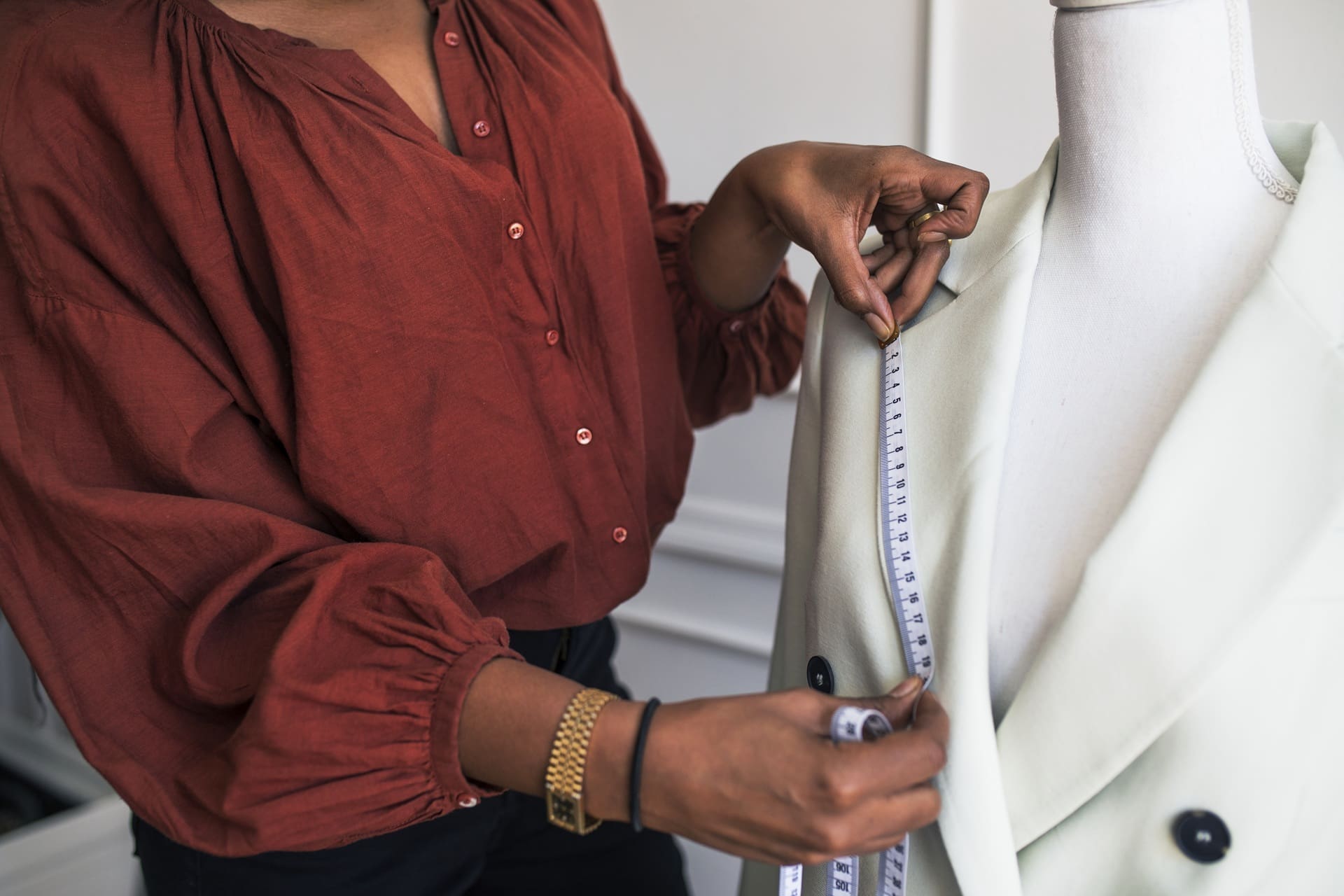
You called two alteration shops about hemming your trousers and received two different prices. The adjustment sounded simple, yet the estimates were off by a wide margin. One shop may preserve the original stitch pattern, press the garment properly between steps, and finish by hand if needed. Another may complete the hem more efficiently, but without fully recreating the original construction of the garment.
When you consider craftsmanship alongside price, the comparison becomes clearer. It helps you weigh long-term fit and finish, not just immediate savings. To make those comparisons easier, here’s a clear look at common alteration price ranges and the key factors that influence what you’re quoted.
Average Cost to Hem Pants, Jeans, and Trousers
Hemming is one of the most common clothing alterations because getting the length right can completely change how your outfit looks. If your pants bunch at your ankles or drag on the floor, the whole outfit can feel a little off. Once you have the hem adjusted, your pants hang neatly and look much more put-together.
If you’ve been asking yourself how much alterations cost, hemming is usually the easiest and most affordable place to begin.
Here are typical price ranges you can expect:
- Basic hem: $15–$30
- Original hem (denim): $25–$45
- Lined dress pants: $25–$50
Denim and lined pants take more time because they involve extra details and layers. Keeping the original hem on jeans means removing and reattaching the factory edge to keep the look the same.
Lined trousers require adjusting both the outer fabric and the lining separately before sewing them back together. Those added steps are why the cost is slightly higher.
Hemming Technique Differences
- Standard fold-and-stitch: Clean and efficient for casual slacks.
- Blind hem stitch: Nearly invisible from the outside. Ideal for dress pants.
- Original denim hem: Maintains factory distressing and thread color.
- Cuffed hems: Require precise measurement to maintain symmetry.
A skilled tailor or seamstress does more than cut and sew. They measure carefully, take your shoe height into account, and press the fabric before stitching. Those extra steps create a clean finish, and they’re part of what influences clothing alteration pricing.
What It Costs to Take In or Let Out a Waist
Waist adjustments are common because clothing sizes aren’t always consistent. Even good-quality pants or skirts can feel a little too tight or too loose. Fixing the waist makes your clothes more comfortable and helps them fit your shape better.
If you’re wondering how much it costs to make alterations, it usually depends on how much the garment can be adjusted.
Here are standard pricing ranges:
- Pants waist adjustment: $30–$60
- Skirt waist adjustment: $25–$50
Letting a garment out depends on how much extra fabric is inside the waistband, and most ready-to-wear pieces allow only one or two inches of expansion. Taking in the waist often requires reshaping the back seam and adjusting belt loops or darts to keep the fit balanced. These limits are why some waist alterations cost more than others.
Checking Seam Allowances
Before committing to a waist alteration, a professional tailor evaluates the internal construction.
- Examine extra fabric inside seams
- Measure the maximum expansion possible
- Assess waistband structure
- Review pocket placement impact
If there’s very little extra fabric in the seams, the garment can only be let out so much. Decorative waistbands also require more time to adjust properly. While waist alterations improve comfort, the construction of the garment ultimately determines how much change is possible.
Dress Alteration Price Ranges
Dress alterations can vary widely because dresses range from simple everyday styles to detailed formal gowns. For a dress to look polished, it needs to fit smoothly through the bust, waist, and hips. Even small adjustments can noticeably improve how it flatters your shape. The price usually depends on how the dress is constructed and how much detailed work is required.
Typical dress alteration costs include:
- Hem (simple): $25–$60
- Taking in sides: $40–$80
- Strap or bodice adjustments: $30–$75
- Formal or beaded gowns: $80–$200+
Formal dresses often require hand stitching to protect lace, sequins, and delicate layers. When a gown is shortened or reshaped, each layer must align precisely. Beaded designs take extra time because embellishments need to be removed and sewn back into place. As detailing increases, the work shifts from basic resizing to careful, labor-intensive craftsmanship.
Managing Formal Fabrics
Because of their construction, formal garments require specialized handling techniques:
- Separating the outer layers from the lining
- Hand-sewing delicate embellishments
- Maintaining seam symmetry
- Reinforcing structured bodices
Tailors may spend hours on a single gown to ensure every stitch looks clean and discreet. Bodices with boning or hidden panels require careful adjustment, which adds complexity to clothing alterations. The result can completely transform the fit, but the pricing reflects the time and expertise involved.
Suit and Jacket Alteration Costs
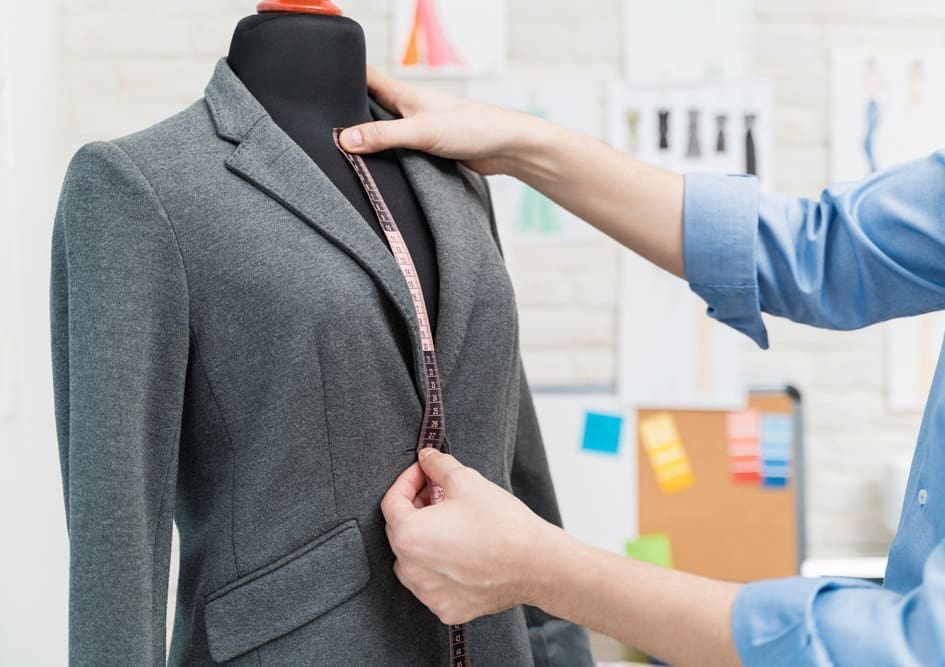
Tailoring a suit or jacket takes real skill because these garments are built with more structure than everyday clothing. Inside, you’ll find layers such as canvassing, shoulder padding, and lining that help shape the silhouette. When adjusted properly, those changes sharpen the fit and give you a more confident, polished look. Because of that level of detail, suit alterations usually cost more.
Here are common cost estimates:
- Sleeve shortening (no buttons): $30–$60
- Sleeve shortening (with buttons): $60–$120
- Jacket waist suppression: $40–$75
- Full suit tailoring: $100–$300+
Sleeves with working buttons are shortened from the shoulder, which requires more labor. Adjusting the jacket waist means reshaping internal seams while keeping the lapels aligned. A full suit alteration includes multiple coordinated changes, and that internal work drives the higher cost.
Understanding Jacket Structure
A tailored jacket contains several hidden components that affect alterations:
- Floating canvas or fused interfacing
- Shoulder pads and sleeve heads
- Lining panels
- Chest pieces for structure
When shortening sleeves or adjusting the waist, the tailor has to open the jacket and carefully rebuild the inner layers. If handled incorrectly, the fabric can pucker or lose its shape. That precision and expertise are why suit alterations typically cost more.
When An Alteration May Cost More Than Expected
Your garment may have internal stitching, lining, or structure that adds extra steps to the alteration. When your tailor clearly outlines what’s involved, you can connect the craftsmanship to the cost with confidence.
Alterations may cost more due to:
- Heavy beading: Requires removing and reattaching embellishments by hand
- Leather garments: Demand specialized needles and equipment
- Major size changes: Require reshaping multiple seams
- Pattern realignment: Essential for plaids or stripes to match
Pattern matching adds time because seams must align perfectly after adjustment. Leather is difficult to unpick without leaving marks, so precision is critical. Major size changes often require reshaping the entire garment.
Avoiding Price Surprises
You can reduce unexpected costs with a proactive approach, such as:
- Bring the shoes and undergarments you plan to wear.
- Discuss your budget openly with the tailor.
- Ask about structural limitations up front.
- Request a written estimate before work begins.
Clear communication helps your tailor suggest solutions that fit your goals and budget. Sometimes a small adjustment delivers the look you want at a lower cost. Higher alteration costs usually reflect added labor, specialized materials, or complex construction, not arbitrary pricing.
Get the Perfect Fit Before Your Next Big Occasion with Pier Cleaners
At Pier Cleaners, we partner with expert alteration specialists serving South Kingstown, Rhode Island. Whether you need a simple hem, a waist adjustment, or detailed suit tailoring, we take the time to understand your garment and recommend practical solutions that fit your budget. Our goal is to help you feel confident and comfortable in whatever outfit you wear for the day.
Have questions about our pricing or how your garment will fit? Give us a call at (401) 389-1895 – we’re happy to walk you through it.
Get Started with Pier Cleaners Today!