How full should you load a washing machine? Most people load it the way they were taught years ago, and most of that training was wrong. Clean clothes depend on three things reaching every fiber: water, detergent, and agitation. Pack the load too tight, stack it unevenly, or dose the soap in the wrong spot, and at least one of those three never fully makes contact.
The cycle still runs. Clothes still come out damp and smelling like detergent. They just aren't actually clean. Here's what your machine's manual glosses over, broken down step by step.
How Full the Drum Should Actually Be, and Why Overloading Is the #1 Mistake
Overloading is the most common laundry mistake, and it's rarely on purpose. Most people fill the drum until it looks full, not until it's actually at capacity. Clothes need room to move so water, detergent, and agitation can reach every item. Pack the drum too tight, and none of that happens: soap residue in the folds, trapped dirt, and wrinkles set in from clothes crushed together for the whole cycle.
What Happens Inside the Machine When You Overload It
An overloaded drum doesn't just clean poorly; it works the machine harder. The motor pushes against more resistance, the spin cycle unbalances more easily, and belts and bearings wear down faster.
Per the American Cleaning Institute's guidance on detergent dosing, detergent is formulated for a specific water-to-fabric ratio, so overloading stretches that same dose across too many clothes to work properly.
The 3/4-Full Rule for Top-Loaders and the Hand's-Width Rule for Front-Loaders
Here's the guidance most manuals bury in fine print. For a top-loading machine, fill the drum to about three-quarters full, loosely, not packed down. For a front-loading machine, leave roughly a hand's width of space between the top of the load and the top of the drum opening. Front loaders rely on tumbling clothes through a smaller pool of water, so they need even more open space than top loaders to work correctly.
A Quick Way to Check Your Load Without Guessing
If you're not sure whether you've hit the right amount, use this test:
- Reach into the loaded drum. If your hand slides in without resistance, you're in good shape.
- If you have to push down clothes to close the lid or door, you've overloaded it.
- If the drum looks more than half empty once clothes are added, a smaller load still cleans properly.
Underloading wastes water and energy, but it never hurts your clothes the same as overloading.
How to Distribute Items So the Load Cleans Evenly and Stays Balanced
Filling the drum correctly is only half the job; arrangement matters just as much. Don't let one heavy item, such as a towel or folded jeans, sit alone on one side. Spread larger, heavier pieces around the outer edge and let smaller items such as socks and washcloths fill the gaps. That keeps weight distributed evenly instead of clumped in one spot.
Why Unbalanced Loads Wear Out Your Machine Faster
An unevenly distributed load throws off the spin cycle. You'll hear it as loud thumping or the machine walking across the floor. Beyond the noise, an unbalanced spin strains the drum bearings and suspension, components that are expensive to repair. It's a leading cause of premature washer failure, and it's almost always preventable just by spreading out items first.
Where Detergent, Pods, and Softener Actually Go
Detergent placement depends on your machine type. Get it wrong, and clothes come out with soap streaks or don't get properly cleaned.
For top loaders without a dispenser drawer, add detergent to the drum first, let water start filling, then add clothes. Pouring it onto a pile of dry clothes means it sits concentrated in one spot instead of dissolving.
Pods follow their own rule regardless of machine type: always into the empty drum first, underneath the clothes, never on top. Pods need direct water contact to dissolve. Sitting on top of dry fabric can delay that long enough to leave a sticky residue.
How Much Detergent You Actually Need (Most People Use Too Much)
More detergent doesn't mean cleaner clothes. Too much leaves residue on fabric that traps dirt and odor instead of releasing it. Check the marked line on the cap or dispenser and measure it; don't eyeball a pour. Soft water areas typically need less than the bottle recommends, while hard water areas may need slightly more.
Detergent Compartments in Front-Loaders Most Owners Never Use Correctly
Front-loading machines almost always come with a dispenser drawer divided into separate compartments, and most owners either ignore the divisions or guess wrong. The compartments are typically marked, but here's what each one is actually for:
- Main wash compartment: usually the largest section, holds your regular detergent for the primary wash cycle.
- Prewash compartment: smaller and often marked with a Roman numeral I, is only used if you've selected a prewash or soak cycle. Leave it empty otherwise.
- Fabric softener compartment: usually marked with a flower or star symbol, holds liquid softener only. Never put detergent here.
Pouring detergent straight into the drum of a front loader, instead of the dispenser drawer, means it releases all at once rather than being diluted and timed with the wash cycle. Using the compartments as designed means the machine releases each product at the correct point automatically.
What to Load Together, and What to Keep Apart
Sorting by color is the habit most people already know. Sorting by stain type and fabric weight is the part that actually determines how clean things get.
Keep these categories separate:
- Heavy fabrics and delicates: denim, towels, and bedding can snag or stretch delicate fabrics such as silk or fine knits during agitation.
- Protein-based stains and oil-based stains: bloodstains, sweat, and other protein stains set with hot water, so they need a cold wash. Grease and cooking oil stains need warm water to break down. Washing both types together forces a temperature compromise that fails one or the other.
- Heavily soiled items and lightly worn items: a load of visibly dirty gym clothes releases more soil into the wash water, which can redeposit onto lighter, less soiled pieces in the same load.
If a garment has a specific stain, treat and wash it for that stain's needs first, even if it means running it separately. One stained item in a mixed load often forces the whole load into a temperature that's wrong for either the stain or the rest of the clothes.
Front-Load vs. Top-Load: Small Loading Differences That Matter
Both types clean effectively, but differently, so loading habits should shift depending on which one you own.
Front loaders use less water and rely on gravity and tumbling instead of an agitator. That's gentler on fabric overall, but also more sensitive to overloading since there's less water to work with.
Top loaders, especially older agitator models, use more water and rely on that agitator to move clothes through it. That handles heavy soil well but is rougher on delicates, which do better in a front loader or a top loader's delicate cycle.
Front load cycles typically run longer than top load cycles, sometimes by 20 to 30 minutes, because the machine uses less water and more time to compensate. That's the machine working as designed, not a malfunction.
The Two-Minute Pre-Loading Check That Saves Whole Garments
Before you start any load, run through this quick sequence:
- Empty every pocket. Tissues, pens, and coins cause the most common in-wash damage, from lint covering an entire load to ink stains that ruin multiple garments at once.
- Close zippers and fasten hooks. An open zipper can snag delicate fabric in the same load or damage the drum's interior over repeated cycles.
- Unbutton button-down shirts. Buttons under stress during agitation are more likely to crack or pop off entirely.
- Turn printed or dark garments inside out. This reduces friction on the printed surface and limits fading on the outer side of the fabric.
Two minutes of checking before you press start costs far less time than replacing a garment the wash cycle ruined.
Bulky Items, Comforters, Blankets, and Towels, Loaded Correctly
Bulky items need more, not less, open space than a standard load, even though they take up more visual room. Load a comforter or heavy blanket alone or with only one or two other bulky items, never mixed into a full load of regular clothes. These absorb a lot of water, and a near-capacity drum won't let them get properly saturated or rinsed.
Fold large items loosely and let them settle in rather than balling them into a tight knot. A tightly wadded comforter behaves like one heavy object during the spin cycle, throwing off balance the same way a single heavy item does in a regular load.
Signs Your Machine Is Too Small for the Item
If a comforter or blanket fills more than half the drum before the cycle even starts, your home machine likely isn't sized for it. Watch for the item barely moving during the wash, water not visibly circulating through it, or the machine struggling to spin it out. In these cases, a laundromat's large-capacity machine or professional cleaning gets a genuinely clean result instead of a repeatedly partial rinse.
When You're Unsure How Much to Load, Leave the Laundry to Pier Cleaners
Three-quarters full, a hand's width of space, the right detergent in the right spot, it adds up to a lot of guesswork for one load of laundry. We'd rather you not have to think about any of it.
At Pier Cleaners, our Wash and Fold Laundry Service means every load gets measured and loaded correctly by someone who does this all day, every day, not squeezed in between other chores. When you're in need of Wash and Fold Laundry Service, our ten plus years of serving Westerly, Rhode Island still rely on gentle, effective detergents and methods that protect your clothes and home essentials, rather than simply get them wet.
Schedule a FREE Pickup and Delivery Service and let us get it right for you.
Phone: +1 860-453-5421
Address: 50 High St., #5, Wakefield, RI, 02879, United States
Checkout is at 10:00 AM. Check-in is at 3:00 PM. In between, you have three sets of queen bedding, six bath towels, four pool towels, and a pile of kitchen linens. They all need to be washed, dried, folded, and back on the beds before your next guests walk in the door.
When your calendar has gaps, in-house laundry is manageable. In many vacation rental markets, where peak-season bookings often run seven days a week with same-day turnarounds, that five-hour window becomes the tightest constraint in the entire operation.
That’s the exact problem a professional laundry service is built to solve. Not in theory. In practice, turnover by turnover, week by week.
The Turnaround Problem
Why Your Home Machines Can’t Keep Up at Peak Season
- A standard home washer handles one set of queen bedding per cycle
- Each cycle takes 60 to 90 minutes, wash plus dry
- Three sets of bedding alone: 3 to 4.5 hours, with no buffer for towels or kitchen linens
- Add towels, and you’re looking at 5 to 6 hours minimum, which is the entire window between checkout and check-in
And that’s if nothing goes wrong: no second rinse needed, no delay between cycles, no machine running warm.
For Westerly hosts running back-to-back bookings all summer, this isn’t a minor inconvenience. It’s a structural bottleneck.
What a professional laundry service does differently:
- Commercial machines process large loads simultaneously, not one set at a time
- Higher wash temperatures reach sanitation levels that residential machines don’t
- A pickup before 10:00 AM and a return delivery by 2:00 PM is realistic with the right service
- Everything comes back folded and ready, no sorting, no stacking, no last-minute scramble
This isn’t about convenience for its own sake. It’s about whether your turnaround is operationally possible at peak occupancy.
The Consistency Problem (and What It Costs You in Reviews)
The Review You Don’t Want to Read on a Monday Morning
On Airbnb and VRBO, linen quality shows up in guest reviews more than most hosts expect. Before they mention the view, the parking, or the kitchen, some guests lead with the sheets. “Crisp and clean” is five stars. “Smelled a little musty” is not.
In-house laundry creates consistency risk, especially under pressure.
- Loads are washed too hot or too cool for the fabric
- Bedding is folded quickly (or not at all) during a tight turnover
- Linens come out wrinkled when there’s no time to re-dry
- Slightly off smell from a washer that needs cleaning itself
A professional Wash and Fold Laundry Service eliminates that variability. It provides commercial-grade washing at the correct temperature for linen fabrics folded to a consistent hotel standard, every single turnover, whether you manage the property yourself or work through a co-host.
The process for laundering linen fabrics can be daunting when attempting to do so yourself, as there are several considerations for linen fabrics,
Why this matters for your Westerly property specifically: In a coastal rental market where guests have dozens of property options, your review score is your competitive position. A consistent linen experience is a straightforward way to protect it.
The Storage and Supply Problem
Most hosts stock two sets of linens per bed. That’s the minimum, and it’s often not enough when turnovers overlap, or a set comes out of the wash damaged.
The standard recommendation for back-to-back bookings: three sets per bed. That’s a meaningful upfront investment, and it creates storage pressure in properties where closet space is already stretched.
But when you use a professional laundry service: you can often operate with fewer inventory sets because reliable same-day or next-day turnaround means clean linens come back fast enough to reuse without stocking extras as a buffer.
The comparison:
| Approach | Linen Sets Needed | Storage Impact | Turnaround Risk |
|---|---|---|---|
| In-house laundry | 3 or more sets per bed | High | High at peak season |
| Professional laundry service | 2 sets per bed (often) | Lower | Low with reliable service |
3 or more sets per bed
High
High at peak season
2 sets per bed (often)
Lower
Low with reliable service
One more note for seasonal hosts: if your Westerly property closes after Labor Day, sending linens out for professional laundering before long-term storage, rather than storing them post-use, is a practical step that protects the fabric and means they’re ready the moment you open again in spring.
What In-House Laundry Actually Costs vs. a Professional Service
Running the Real Numbers on Your Turnovers
Most hosts assume in-house laundry is cheaper. When you account for everything, that’s often not true.
In-house laundry costs per turnover:
- Water and electricity: approximately $0.75 to $1.50 per load
- Machine wear and maintenance over time
- Your time or a co-host’s time: typically 2 to 3 hours per turnover for laundry alone
- Opportunity cost: every hour you manage laundry is an hour you don’t handle guest communication, maintenance, or your next booking
Professional laundry service costs per turnover:
- Wash and Fold Laundry Service runs approximately $1.25 to $2.25 per pound
- A standard vacation rental turnover load (bedding, towels, kitchen linens) typically weighs 20 to 35 pounds
- Per-turnover cost range: roughly $25 to $80, depending on property size
The honest comparison: For hosts who value their own time (and at peak summer rates in Westerly, your time has real value), professional laundry service is often cost comparable to in-house. When you factor in the hours reclaimed each turnaround, it’s frequently less expensive in practice.
This is also why it’s increasingly called a Commercial Laundry Service in the hosting community: it’s not a personal convenience. It’s a business operating decision.
Professional Laundry for Vacation Rentals – Pier Cleaners Has It Handled
Back-to-back bookings leave almost no margin for error, and laundry is usually where that margin disappears first. If you’ve been stretching your machines, your schedule, or your co-host to make it work, there’s a better way to run your turnovers.
At Pier Cleaners, we work with vacation rental hosts throughout Westerly and the surrounding area who need clean, folded linens back on a schedule that actually fits checkout and check-in windows. We handle everything – bedding, towels, and kitchen linens – cleaned at the right temperature, folded to a consistent standard, and ready when your next guests arrive.
Drop it off at the location nearest to you or let us pick it up. Either way, the laundry stops being your problem.
Contact Us:
📍50 High St., #5, Wakefield, RI, 02879, United States
📧 piercleaners@piercleanersri.com
🕒 Monday through Friday, 7:30 AM to 6:00 PM | Saturday, 8:00 AM to 12:00 PM| Sunday: Closed
Florals, polka dots, animal prints, or abstract designs — if these are your kind of statement pieces, you already know how they can flip an ordinary day into something bright and memorable. However, those eye-catching patterns and saturated hues can lose their vibrancy if you're not careful with how you wash them.
So if you want those colors to pop every time you wear them, and not just the first time, stick to some key laundry habits. Here's what you need to start doing today.
1) Start with Cold Water, Always
If you’re still using hot or warm water for your brights, stop. Cold water is gentler on fabric dyes and keeps the color locked into the fibers. It also works just as well for cleaning, especially with today’s detergents. Cold water prevents bleeding and keeps bold tones from fading too fast.
What to do:
- Always choose the “cold” cycle on your washing machine
- Use a “delicate” or “gentle” setting for clothes with prints
- Skip hot water unless it’s for whites or tough stains
- Great for sweaters, wedding dresses, and environmentally friendly fabrics
2) Turn Clothes Inside Out Before Washing
Every time you wash your clothes, the outer fabric takes a hit, rubbing against other garments, buttons, and the inside of the machine. Turning your clothes inside out protects that outer layer from wear. It’s a small move that protects designs, graphics, and rich colors from direct friction. So if your blouse or dress has prints or beading, this step is non-negotiable.
Do this before washing:
- Flip inside out shirts, pants, gowns, or anything colorful
- Zip zippers and button up fasteners to reduce friction
- Works best for dark jeans, printed cotton, and anything with buttons or suede accents
3) Choose the Right Detergent for Colors
Standard detergents aren’t designed for bold clothing. They’re made to lift stains but not to preserve dye. You need a formula that’s made to protect colors, especially on sensitive garments like leather-trimmed dresses or wedding attire. Always go for something that says "color protection" on the label.
Always:
- Look for detergents labeled “for darks,” “color-safe,” or “bright colors”
- Avoid bleach, fabric brighteners, and cheap all-purpose brands
- Use eco-conscious options if you want an environmentally friendly wash
- Perfect for individuals looking for better price-to-quality cleaning
4) Wash Bold Items in Smaller Loads
Cramming too much into your washing machine creates excess friction. When your clothes don’t have space to move freely, they rub harder against each other, and that quickly causes fading. Smaller loads also rinse out detergent better, which helps protect your shirts, sweaters, and gowns.
Do this:
- Load the washer only halfway when washing bold clothes
- Don’t mix heavy fabrics like denim with delicate blouses or gowns
- Keep printed and embroidered items separate from rough fabrics
- Good for individuals who value care over speed
5) Skip the Dryer and Air Dry Instead
Heat is the biggest color-killer. Even one tumble dry session can shrink fibers and dull bright fabrics. Air drying helps keep your prints crisp and vibrant. If you’re worried about space or wrinkles, hang them in a room with airflow or near a fan.
To preserve colors:
- Hang or lay flat to dry, especially bold wedding dresses, suede, or blouses
- Avoid direct sunlight — UV rays fade fabrics quickly
- For sweaters or anything delicate, use a flat drying rack indoors
- Use the “air fluff” setting on your dryer if you absolutely must use it
6) Wash Bold Clothes Less Often
Washing too frequently wears down clothes, even if you wash gently. Unless a garment is stained or sweaty, there’s no need to wash it after every wear. Especially for expensive items like printed gowns, delicate sweaters, or formalwear, less is more. Preserve your investment by washing smarter.
Here’s how:
- Rewear items 2–3 times between washes when possible
- Spot-clean with a damp cloth or stain stick instead
- Steam or air out garments after each wear
- Take sensitive pieces to the nearest cleaners instead
7) Use a Mesh Bag for Delicates and Printed Fabrics
Printed dresses, lace blouses, and garments with buttons or embroidery need extra care. A mesh bag prevents friction damage and protects the surface from other rough fabrics. It's one of the easiest ways to extend the life of fragile items without changing your entire laundry setup.
Use mesh bags when:
- Washing wedding dresses, embellished blouses, or anything with suede details
- Cleaning bras, lingerie, or silk scarves
- Laundering shirts with sequins, delicate prints, or loose buttons
- Perfect for individuals looking to stretch the time between dry cleaning visits
8) Read Those Care Labels
Care labels are fabric instructions recommended by experts. Most color damage happens because people guess instead of reading. That little tag tells you whether something should be dry cleaned, air dried, or washed on a specific setting. Don’t assume. Read it.
Pay attention to:
- Wash temperature, especially for silk, wool, or mixed fabrics
- When it says “Dry Clean Only” (and don’t ignore it)
- If the item includes leather, buttons, or specialty trims
- When in doubt, take it to the closest dry cleaner
Keep the Fun in Your Prints — Let Pier Cleaners Handle the Wash!
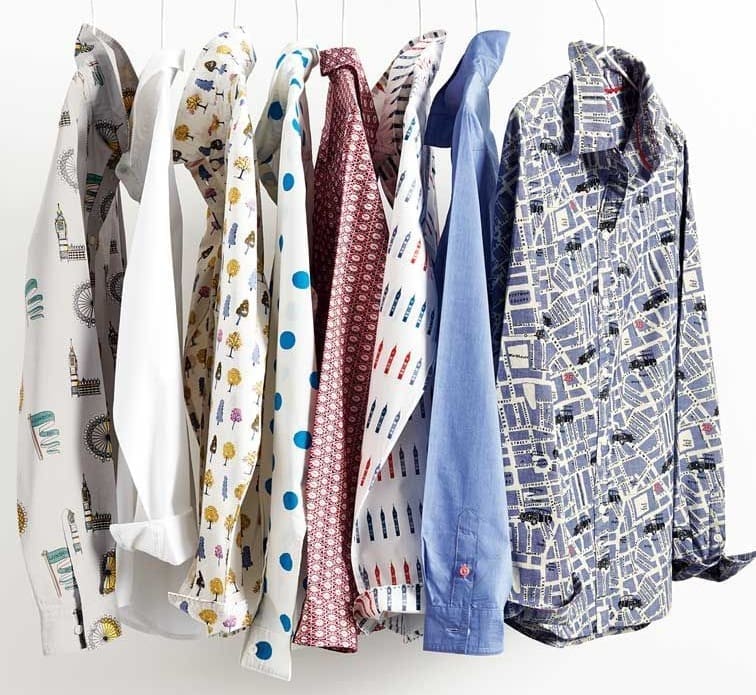
Keep expressing yourself with those bold colors and playful prints, without worrying about them fading away. At Pier Cleaners, we help you hold on to that vibrant energy with professional laundry care that’s gentle, effective, and designed to preserve every pop of color and eye-catching detail. This is perfect for individuals and as a trusted laundry service for families with children.
We use hypoallergenic, fragrance-free detergents, so your clothes come out clean without any harsh chemicals or lingering scents that can irritate your skin or wear down fabric vibrancy over time. Your garments are tumble dried, then promptly removed from our temperature-sensing dryers to prevent shrinkage, overdrying, or unnecessary heat damage.
Have questions or need help choosing the right service for your specific garment care needs? Call us any time at 401-661-1694 or send us an email at piercleaners@piercleanersri.com. We're always ready to help you care for what you love!
Children will always be children —messy, playful, and full of surprises that often end up on their clothes. From muddy soccer uniforms to paint-splattered T-shirts, it seems like your washing machine constantly runs just to keep the family in clean outfits. Add in the daily chaos of homework, meal prep, and bedtime routines, and that growing pile of laundry can be out of control in a flash.
Thankfully, there’s a simpler way to manage all those stained shirts and grass-streaked pants. Wash and Fold Laundry Service offers busy parents an easy solution to the never-ending laundry cycle. Sounds like a win? Let’s talk about why this service is a lifesaver for busy families.
The Biggest Laundry Headaches When Cleaning Children’s Clothing
It’s no secret children can put their clothes through some serious wear and tear. From sliding in the dirt during recess to experimenting with sticky arts and crafts projects, little ones manage to test the durability of fabrics in all sorts of ways. If you’ve ever felt overwhelmed by the never-ending stains, smells, and sorting, you’re definitely not alone.
1. Persistent Stains
Mud, grass, and paint are just the beginning—children can turn an innocent snack into a permanent splotch. These stubborn marks often require pretreatment, soaking, and sometimes multiple wash cycles to fully remove.
2. Mixed Fabrics and Care Requirements
Children’s wardrobes can range from rugged denim to delicate holiday dresses. Each fabric type might need a different wash temperature or detergent. It’s easy to ruin a special outfit if you’re not paying attention.
3. Tiny Accessories and Fasteners
Buttons, zippers, and even Velcro closures can catch and damage other items in the wash. This is especially problematic if you wash multiple children’s outfits at once, as loose or sharp bits can cause snags and tears.
4. Odor Buildup
Sweaty sports uniforms, damp socks, and that mystery smell coming from the hamper can leave a lingering odor, even after washing. Getting clothes truly fresh often requires an extra rinse cycle or specialized odor-fighting products.
5. Rapid Turnaround Needs
If your child’s soccer practice is tomorrow and their uniform is still crusted with mud, you need a quick laundry solution. Waiting for multiple wash cycles and proper drying can feel like a marathon when time is tight.
6. Constant Sorting and Organizing
With multiple children in the mix, it’s easy to lose track of whose stuff is whose. Without a careful system, you might find yourself playing detective just to figure out which tiny socks belong to which sibling.
How Wash and Fold Laundry Service Makes Life Easier for Families
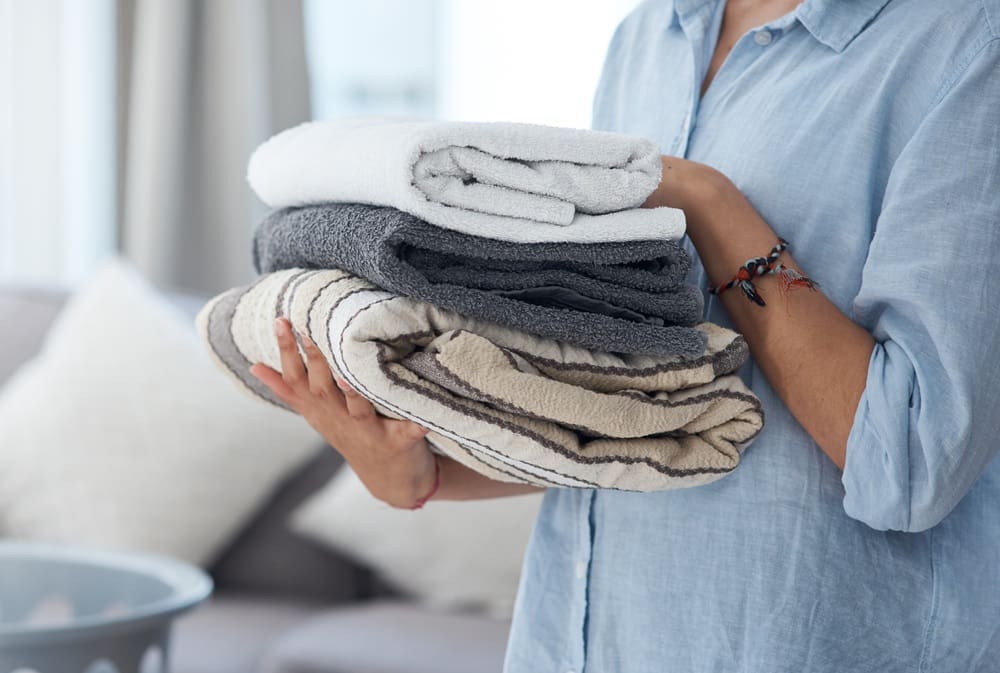
As a parent, it's easy to get caught up in the ongoing cycle of sorting, washing, folding, and putting away clothes—only to find yourself starting all over again the very next day. This is exactly why many families have turned to a Wash and Fold Laundry Service. Let's break down the key conveniences this service offers busy households.
Convenience #1 — Laundry Picked Up and Delivered to Your Doorstep
Pier Cleaners Wash and Fold Service offers free scheduled pickup and delivery directly to your home or office, freeing you from the constant need to keep track of laundry baskets. No more struggling to carry overflowing hampers while juggling children, keys, and groceries. Enjoy the free time to do something you WANT to do, instead of a chore that you HAVE to do!
Convenience #2 — Expert Handling of Stubborn Child-related Stains
Tough stains? Let us know! Professionals know exactly how to tackle tough stains—be it mud from the soccer field, colorful paint from an art project, or chocolate ice cream drips. Instead of experimenting with DIY stain removal solutions, you can trust laundry experts to treat each stain effectively, extending the life of your children's clothing.
Convenience #3 — Saves Time for Family and Personal Activities
Perhaps the greatest convenience is the extra time you get back. Outsourcing laundry chores frees up hours in your week, letting you focus on quality family time, your career, or simply relaxing after a busy day. You can finally trade those evenings sorting laundry piles for movie nights, family dinners, or even some much-needed rest.
Convenience #4 — Customized Laundry Preferences
Every family is unique—and a professional Wash and Fold Laundry Service recognizes that. Pier Cleaners allows you to provide your favorite detergents, specify fabric-softening preferences, and provide instructions on how you’d like your clothing handled. This means your laundry returns smelling fresh and feeling soft—exactly the way your family prefers.
Convenience #5 — Consistent, Reliable Results
Unlike home washing machines that might be unpredictable or inefficient, Wash and Fold Laundry Service delivers consistently high-quality results every time. With professional-grade equipment and experienced laundry specialists, your family's clothing stays brighter, fresher, and in better condition over the long term.
Take Back Your Weekends and Let Pier Cleaners Do the Laundry for You!
If you’ve ever wished for a simpler way to stay on top of those endless laundry piles, a professional Wash and Fold Laundry Service won’t disappoint. For over 69 years, Pier Cleaners has proudly served our community, delivering convenient Wash and Fold Laundry Service on which customers rely.
Need more than just laundry? We have you covered. At Pier Cleaners, we also provide expert dry cleaning, precise alterations, specialized care for formalwear, wedding dress cleaning and preservation, and much more!
Contact Pier Cleaners today and experience firsthand why generations of customers trust us with their laundry needs.
